
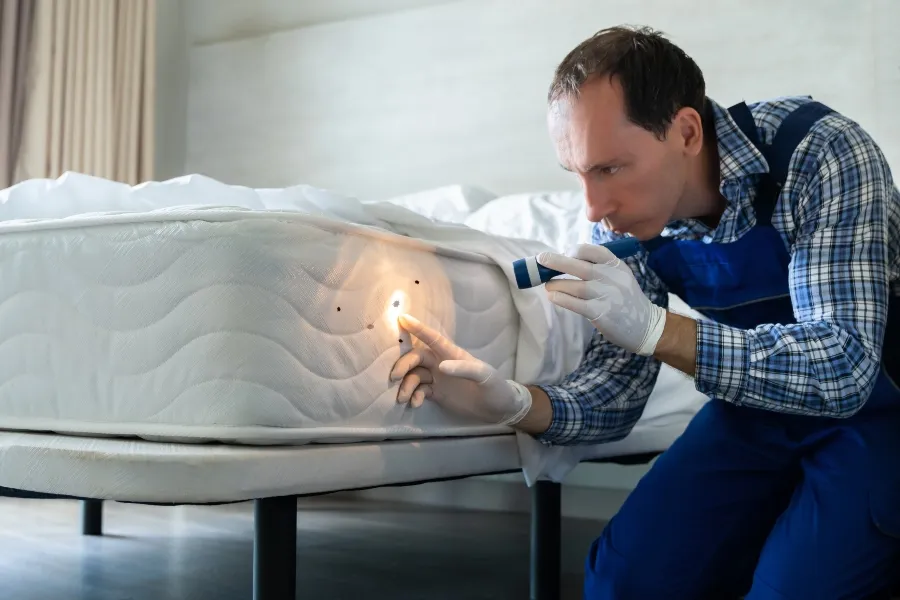
One of the biggest causes of bed bug infestations is accidental transportation through travel. These pests can attach themselves to luggage, clothing, furniture, and other items before being carried into a new location. After arriving, they typically seek out dark, protected areas near where people sleep.
Homes and businesses throughout North Carolina can experience bed bug problems, and finding these pests often raises the question of where they came from. Their ability to remain hidden makes identifying the source of an infestation challenging.
Most bed bugs enter properties by hiding in personal belongings, fabrics, or secondhand furniture. Since they are only about the size of an apple seed, they can easily slip inside without being detected.
Why Do I Have Bed Bugs in My Home?
Bed bugs can enter homes in several different ways, and many infestations begin when these pests are unknowingly brought indoors. Public places and shared spaces can increase the chances of encountering them. If bed bugs are found in your home, they may have arrived through:
- Travel and Dorm Rooms: Bed bugs can remain hidden in luggage after trips or be picked up from places like hotels, college dorms, and other shared living spaces.
- Used Furniture: Pre-owned furniture, especially upholstered items like couches and chairs, can carry bed bugs into a home if they are already infested.
- Personal Belongings: Bed bugs can hide inside purses, backpacks, suitcases, and other personal items, allowing them to be transported into new locations.
Bed bugs can migrate from one unit to another in apartment buildings. Shared laundry facilities are another common place where bed bugs can inadvertently acquire people.
Why Are Bed Bugs Found in Bedrooms?
Bedrooms offer plenty of places for bed bugs to hide, including mattress seams, cracks in furniture, and folds in sheets or blankets. Since beds provide easy access to people while they sleep, bed bugs often choose these areas as their primary hiding spots. They stay hidden during the day and come out at night to feed, making them difficult to find and remove.
Do Bed Bugs Have the Ability to Fly or Jump?
Bed bugs cannot fly or jump because they do not have functional wings or the powerful legs needed for jumping. Instead, these pests move by crawling from one location to another. Since they usually stay close to their food source, they do not need to travel quickly. After feeding, they return to their hiding places until they become active again.
Do Bed Bugs Spread From Person to Person?
Bed bugs are often spread by accidentally transporting them on items like luggage, purses, clothing, and furniture. However, they are not contagious and do not spread directly from person to person like an illness.
If you bring home an item that contains bed bugs or their eggs, you may unknowingly introduce them into your home. This is why it is important to inspect second-hand furniture, wash used clothing, and check your belongings after traveling.
Bed bugs also do not live on people because they prefer cooler, hidden areas rather than staying on the body. While they do not spread through direct contact, they can easily move between buildings by hiding in personal belongings.
How Fast Can a Bed Bug Infestation Spread?
Bed bugs can spread quickly when they are not discovered and addressed early. These pests are skilled hitchhikers that can move throughout communities, especially in areas where people live close together and frequently share spaces or travel with personal belongings.
Although bed bugs cannot fly or jump, they are still able to spread from room to room and location to location. They typically move by hiding in items such as luggage, backpacks, purses, clothing, and other personal belongings.
Travel is one of the most common ways bed bugs are introduced into new spaces. Because they reproduce quickly and go through multiple life stages, preventing them from spreading is an important part of managing an infestation.
What Should You Do If You Have Bed Bugs?
When dealing with bed bugs, a calm and organized approach is much more effective than trying to clean everything at once. Start by finding areas where bed bugs may be hiding and carefully containing affected items in sealed plastic to reduce the risk of spreading them. Moving furniture around can make the situation worse by giving bed bugs more opportunities to spread.
Maintaining a tidy home can help reduce potential hiding areas. Regular vacuuming, removing clutter, and using protective mattress covers can make sleeping areas less favorable for bed bugs and help limit their ability to establish themselves.
For a serious infestation, professional help is usually the best path forward. Trained bed bug exterminators can provide targeted treatments, identify hidden activity, and develop a plan designed to remove the infestation and reduce the chances of it returning.


