
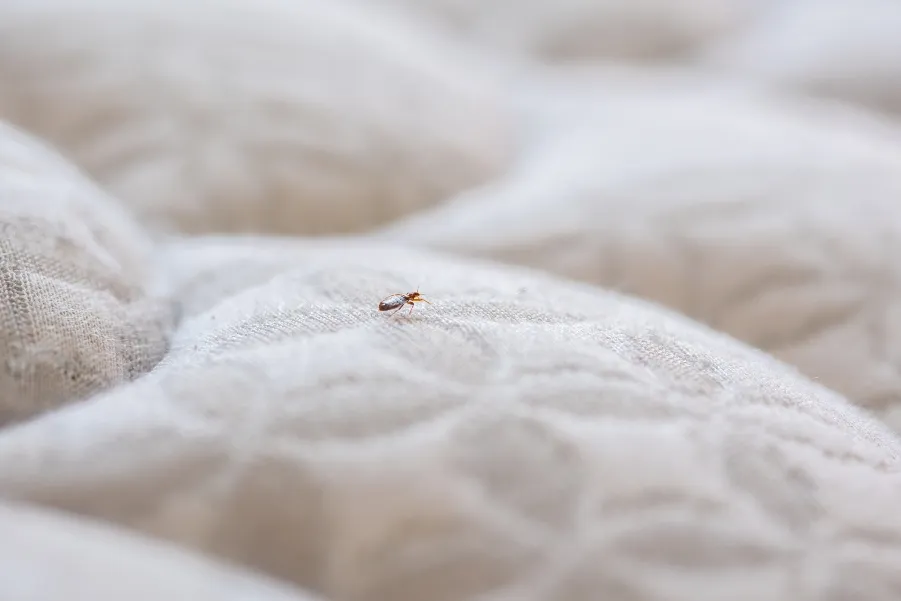
While natural or DIY solutions may help lower the risk of encountering bed bugs, they are not reliable methods for eliminating an active infestation. These approaches are best used as part of a prevention routine rather than a treatment solution. Taking preventative steps early can help reduce the chances of bed bugs becoming a larger problem.
Some popular natural prevention techniques for bed bugs are:
- Diatomaceous earth
- Essential oils
- Peppermint
- Petroleum jelly
- Dryer sheets
- Baby powder
Do All-Natural Bed Bug Repellents Work?
All-natural bed bug remedies can be appealing because they offer a more gentle approach to pest prevention. However, it is important to understand that these methods are not designed to eliminate an existing bed bug infestation. While they may help reduce the risk of problems, they are best used as preventative measures. Some common natural options people try include:
- Diatomaceous Earth: Some homeowners use diatomaceous earth as part of a bed bug prevention strategy. This powder can absorb oils and moisture from a bed bug’s outer covering, and it may come into contact with bugs when applied to cracks, crevices, and other potential hiding spots.
- Essential Oils: Essential oils are often promoted as natural pest repellents. While they have become increasingly popular, there is little evidence that they can effectively repel or eliminate bed bugs during an active infestation.
- Petroleum Jelly: Petroleum jelly is sometimes suggested as a barrier to stop bed bugs from climbing onto beds and furniture. However, this method has not been proven to effectively prevent bed bug activity or stop an infestation from spreading.
- Dryer Sheets, Baby Powder, and Similar Remedies: A variety of household products are commonly recommended online as bed bug deterrents. Despite their popularity, there is no reliable evidence showing that dryer sheets, baby powder, or similar remedies can prevent or eliminate bed bugs.
Ways to Keep Bed Bugs Out of Your Home
Preventing bed bugs is often easier than dealing with a full infestation. Taking a few proactive measures can help reduce the chances of these pests entering your home. Some of the most effective ways to help keep bed bugs away include:
- Learn the Early Warning Signs: Recognizing bed bug activity early can help prevent a small problem from becoming a larger infestation. Look for dark fecal spots on mattresses and furniture, blood stains on bedding, and red, itchy bite marks on the skin.
- Inspect Used Items Before Bringing Them Home: Second-hand furniture, clothing, and other belongings can sometimes harbor bed bugs. Carefully examine all used items for signs of infestation before bringing them into your home.
- Reduce Common Hiding Places: Bed bugs often hide in small cracks and protected areas throughout a home. Using outlet covers and installing a quality mattress encasement can help limit some of their preferred hiding spots.
- Take Precautions While Traveling: Travel is one of the most common ways bed bugs spread from place to place. Inspect hotel rooms for signs of activity and thoroughly check and clean your luggage when you return home.
Natural Bed Bug Prevention vs. Professional Treatment
To help prevent bed bugs, it is important to stay alert for signs of activity, be careful when traveling, and inspect second-hand furniture before bringing it into your property. Some natural deterrents may help reduce your risk, but they are not a complete solution. Bed bugs can spread through luggage, furniture, clothing, and other belongings. Because of this, infestations can occur even in well-maintained homes.
This is why working with a professional bed bug control expert like Bug Out can make a difference. Our team can help you understand prevention strategies and provide effective treatment options to help protect your North Carolina home from bed bugs.


