
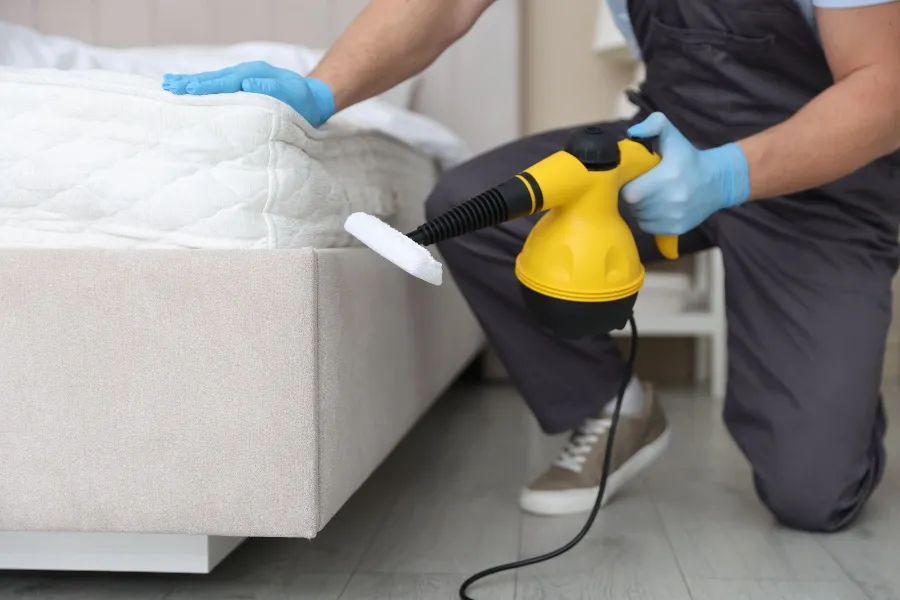
Bed bugs can be an unpredictable pest issue for homeowners in North Carolina, making prevention an important part of protecting your home. While infestations can happen in many ways, staying informed can significantly reduce your risk.
Three of the most effective prevention strategies include learning how to recognize the early signs of bed bugs, being careful when bringing used items into your home, and taking extra precautions when traveling.
Is It Possible to Prevent Bed Bugs?
Yes, but even the cleanest and most carefully maintained homes can still experience a bed bug infestation. These pests do not appear because of poor sanitation, and they can be introduced in many unexpected ways. While completely preventing bed bugs can be challenging, there are steps you can take to reduce your risk. Staying informed, knowing the warning signs, and practicing prevention habits can help protect your home and family throughout the year.
What Causes Bed Bugs to Spread?
Bed bugs are excellent hitchhikers and can spread through many everyday items, such as used furniture, mattresses, suitcases, clothing, and bedding. While they often begin in one area, an infestation can quickly expand if the bugs are moved or given access to new hiding spots.
They can travel throughout a home by moving between rooms or, in some cases, between nearby units through small openings and shared structures. Moving an infested couch, mattress, or other item is one of the easiest ways to accidentally spread bed bugs to another part of a property.
How Quickly Can Bed Bugs Reproduce?
Bed bugs can produce between one and 12 eggs each day, which is relatively slow compared to many other insects. After being laid, the eggs typically hatch in about 10 days, and the young bed bugs may take up to six weeks to mature into adults. Even though their reproduction rate is not the fastest, a small infestation can quickly become a larger problem when bed bug activity goes unnoticed.
Helpful Tips for Preventing Bed Bugs in Your Home
While bed bugs can be difficult to prevent completely, several habits can help lower your risk of an infestation. Staying informed and knowing what steps to take can make it easier to catch problems early. Here are some important ways to help prevent bed bugs:
- Know the Warning Signs of Bed Bugs: Learn how to identify potential infestations by watching for common signs, including fecal spots, blood stains on bedding, shed skins, and unexplained bites.
- Inspect Used Furniture Before Bringing It Inside: Second-hand furniture can sometimes harbor bed bugs, so carefully examine all used items for signs of activity before placing them in your home.
- Block Potential Hiding Spots Around Outlets: Electrical outlets and wall openings can provide hiding places for bed bugs, so using outlet covers can help limit access to these areas.
- Use a Protective Mattress Encasement: A durable mattress cover designed to resist tears and openings can help protect your bed and make it easier to detect potential bed bug activity.
- Practice Smart Travel Habits: Reduce your risk of bringing bed bugs home by researching accommodations, storing clothing in sealed bags, and keeping luggage elevated off the floor.
- Clean Regularly and Inspect Often: Maintaining a clutter-free home, vacuuming regularly, checking pet bedding, and looking for signs of bed bugs can help you catch problems early.
What Makes a Home Attractive to Bed Bugs in North Carolina?
A spotless home is not immune to bed bugs, as these pests can infest any type of property. Unlike some pests, bed bugs are not searching for dirty environments; they are looking for warmth and a reliable food source. As long as people or pets are nearby for them to feed on, bed bugs can survive and spread throughout a residence. Knowing what encourages bed bug activity can help you better protect your home.
Can Bed Bugs Be Eliminated From Second-hand Furniture?
Second-hand furniture can sometimes introduce bed bugs into your home, so it is important to act quickly if you find an infestation. Let the seller or store know about the issue, as some may have policies that allow for refunds or exchanges. If you hope to keep the furniture, reach out to a pest control professional for recommendations on effective treatment options. Taking immediate precautions, including keeping the item outside, can help protect your home.
How to Check Second-hand Furniture for Bed Bugs
Bed bugs can easily hide in furniture and may go unnoticed for long periods of time. Taking the time to inspect used items before bringing them into your home can help reduce the risk of an infestation. If you choose to purchase second-hand furniture, there are several steps you can take to check for bed bugs, including:
- Check for Dark Spots and Stains: Look for small black specks, fecal spots, or tiny blood stains on furniture, as these can be signs of current or previous bed bug activity.
- Inspect Hidden Areas and Undersides: Carefully examine the bottoms, backs, and hidden areas of furniture pieces, including tables, shelves, bed frames, and other furnishings where bed bugs may hide.
- Examine Cracks, Seams, and Small Openings: Check furniture joints, seams, folds, crevices, cracks, and other hard-to-reach spaces, as bed bugs can hide in areas as small as screw holes and gaps.
- Avoid Bringing Suspicious Furniture Indoors: If you notice any signs of bed bugs or anything that looks unusual, it is best to leave the item behind rather than risk introducing an infestation into your home.
How Common Are Bed Bugs in Second-hand Furniture?
Not every piece of used furniture contains bed bugs. Many people purchase second-hand items every day without encountering any problems. However, furniture from homes with previous infestations may still carry bed bugs if it was not properly treated. Most infestations are not obvious at first glance. Before bringing any used furniture inside, always take the time to inspect it carefully for signs of pests.
How to Prevent Bed Bugs From Spreading in North Carolina
If you discover bed bugs in one area of your home, it is important to take action as soon as possible. Bed bugs can spread to other rooms by hiding in furniture, bedding, and personal belongings. The sooner an infestation is addressed, the easier it may be to prevent it from becoming a larger problem.
Bed bug control professionals like Bug Out can inspect your North Carolina home and create a customized treatment plan designed to target the infestation.


