
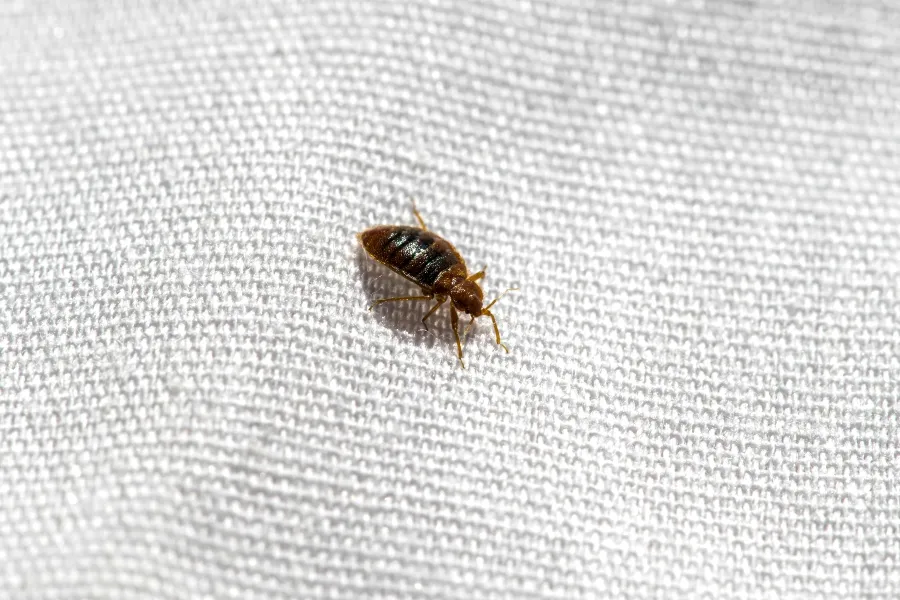
Visiting high-traffic locations such as hotels, schools, dorms, workplaces, and theaters can increase the chance of coming into contact with bed bugs. Since bed bugs began making a major comeback in the 1990s, anyone can potentially experience an infestation. Even clean and well-maintained spaces can have bed bugs if they are accidentally brought inside. Awareness and early detection are important for preventing a larger problem.
People who may have a higher risk of encountering bed bugs include:
- College students
- Recent travelers
- Used furniture buyers
- Anyone who has visited an infested area
Understanding the Risk of Bed Bugs in Hotels
With more people traveling than ever before, bed bugs have become an increasing concern for hotels. These pests thrive in hotel environments because they have frequent access to people and can hide in many different areas. Even if guests only stay for a short time, bed bugs can quickly move from one room to another, allowing a small problem to become a widespread infestation.
Before staying at a hotel, take time to check reviews and choose accommodations carefully. After arriving, inspect areas where bed bugs commonly hide, including mattress seams, upholstered furniture, and the bed frame. Store your luggage on a raised surface or in the bathroom rather than placing it directly on the floor or bed.
Why Colleges Are Vulnerable to Bed Bug Infestations
College dormitories are often at higher risk for bed bug problems due to the constant movement of people and belongings. Students frequently move between homes, apartments, hotels, and campuses, creating opportunities for bed bugs to hitchhike into student housing. As a result, infestations can occur at any time rather than during a specific season.
To help spot bed bugs early, students should inspect areas where these pests commonly hide. Mattresses, couches, chairs, baseboards, dressers, and clothing are all possible locations for bed bug activity. Since dorm room furniture is often passed from one student to another, checking for warning signs is an important part of prevention.
The Risk of Bed Bugs in Dorm Rooms
Dormitories provide many of the same conditions that make hotels vulnerable to bed bugs. A large number of people sharing the same building creates opportunities for these pests to move between rooms and spread throughout student housing. Since college life is already demanding, early detection is key to preventing a small bed bug issue from becoming a larger problem. Before putting away a student’s luggage after a trip home, thoroughly clean and inspect the suitcase.
How to Reduce the Risk of Bed Bugs in College
College students can reduce their chances of dealing with bed bugs by staying informed and taking preventive steps. Recognizing the signs of an infestation and notifying housing staff about concerns can help prevent the pests from spreading throughout a dorm. Since bed bugs move easily between rooms, early intervention is key. Regular cleaning, mattress protection, and careful travel habits can make dorm rooms less vulnerable to bed bugs.
Can Bed Bugs Travel Home with College Students?
College students returning home for the holidays or summer can sometimes unknowingly introduce bed bugs into a home. Dorm rooms and shared housing environments create opportunities for bed bugs to hide in luggage, clothing, and personal items. To help prevent this, encourage your student to be careful when packing and unpacking. Wash all clothes in hot water, even those that were not worn; steam-treat the suitcase, and avoid storing luggage on the ground.
Understanding Why Anyone Can Get a Bed Bug Infestation
Bed bugs are not selective about where they live as long as they have access to a host. They are opportunistic pests that can hide in many areas and travel to new locations by attaching themselves to belongings. Their ability to survive extended periods without a blood meal makes it easier for them to spread and establish infestations.
Taking precautions is important, even if you do not think your home is vulnerable to bed bugs. Learning how to recognize signs of an infestation and inspecting items brought into your North Carolina home can help reduce your risk. A professional bed bug exterminator is often the best resource for preventing problems, especially when visitors or travelers frequently enter your home.


