Current Customers Can Text Us!
Se Habla Español
877-284-6881
Please pardon our long wait times, as we are upgrading our systems to better assist you in the future. Please fill out a contact form HERE and we will be in touch as soon as possible.
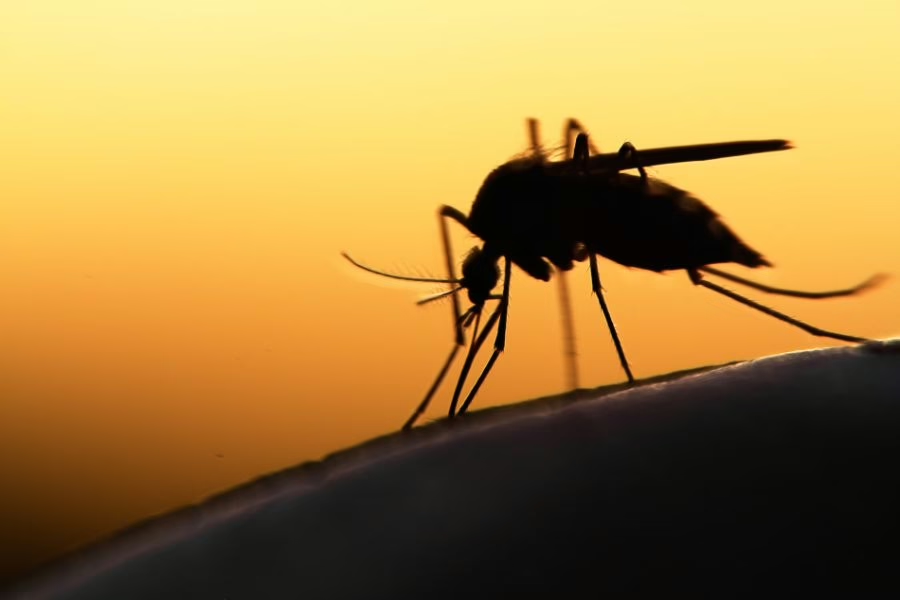
To protect yourself and your family from mosquito bites, it’s important to be cautious in the spring and summer. Wear an EPA-approved repellent, long-sleeved dark clothing, and more.
To prevent mosquitoes in your yard, it’s important to make your property less attractive to them. Most importantly, remove all stagnant water. Learn more about preventing mosquitoes!
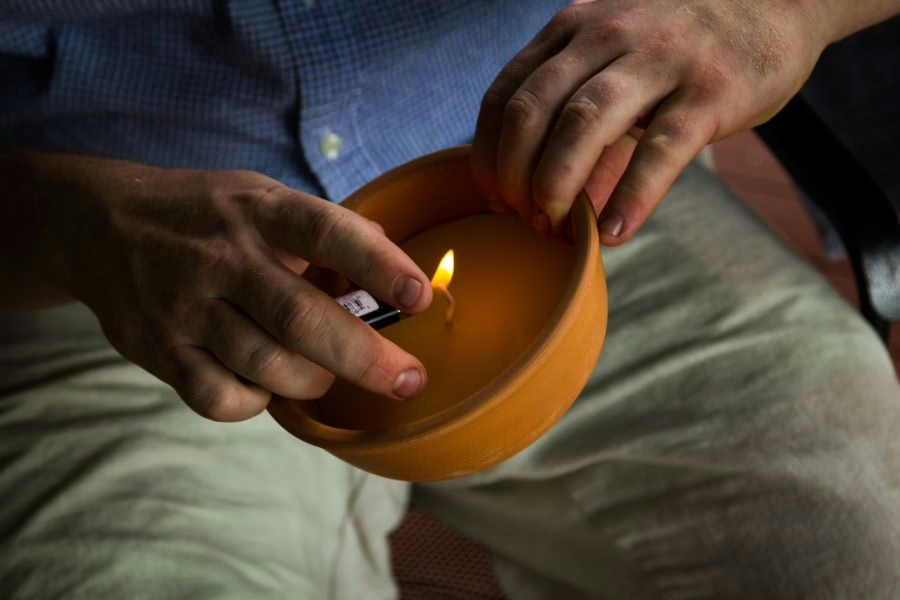
Citronella oil is known to repel mosquitoes and other insects. However, citronella candles are not considered to be very reliable at preventing mosquitoes. Find out why.
Not all natural home remedies can control mosquitoes, but some may work to repel them. Popular essential oils include peppermint, lavender, lemon eucalyptus, and more.
Many mosquito repellent products contain either DEET or picaridin. In general, DEET is considered highly effective at repelling mosquitoes and is safe when approved by the EPA.
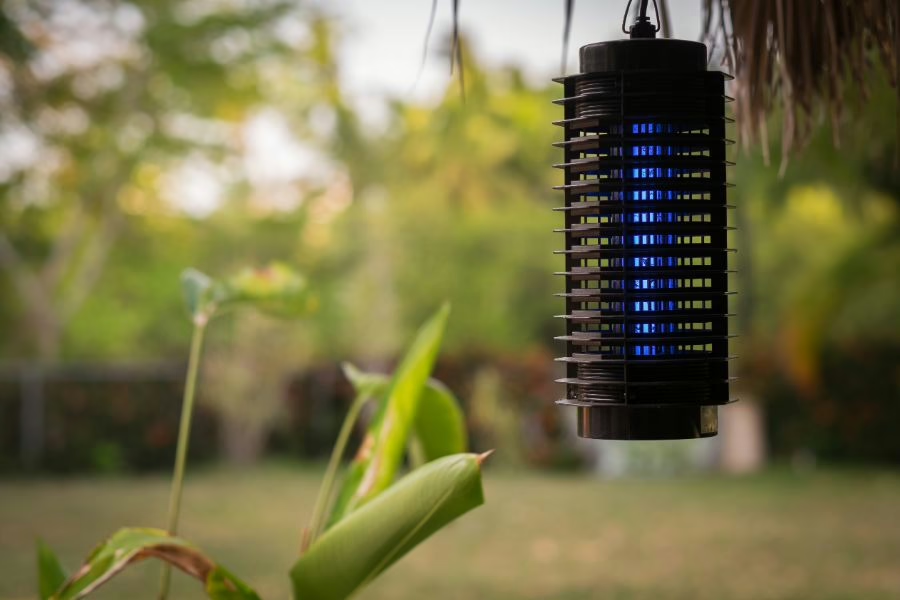
Most mosquito traps function by luring in mosquitoes. While not a reliable solution for a big infestation, traps can help keep mosquitoes away from your yard or property.
Mosquitoes are most active at dawn and dusk when the sun is low. While mosquitoes use light to find their hosts, they are neither attracted to or repelled by light. Learn why!
Mosquitoes use scent to locate hosts. Fragrant plants, then, can work as a natural repellent against mosquitoes. Find out what the best plants are to prevent mosquitoes in North Carolina.