

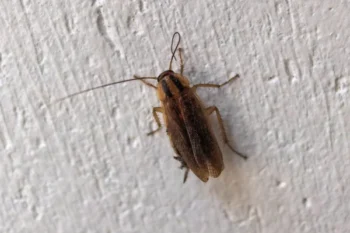
 Cockroaches are one of the most stubborn pest infestations to eliminate. Even in a single family home, the cockroach breeding cycle is rapid enough that it can be difficult to exterminate them as quickly as new ones are being born (this is especially true of German cockroaches).
Calling a licensed cockroach exterminator for a building-wide cleanout is a must. But it should not be your only action taken. In order to truly get long-term results, you’ll also need your tenants to commit to helping solve the problem, and you’ll have to perform some ongoing maintenance yourself. In other words, cockroach control in multifamily housing must be a team effort.
In this article, we’re going to walk you through the process of a building-wide German cockroach clean-out, letting you know what to expect, and how you can ensure you get the best possible results.
4 Keys of Multifamily Housing Cockroach Control
Achieving long-term control over a German cockroach infestation in a multifamily building requires a multifaceted approach. To move from a reactive ‘pest-chasing’ cycle to a proactive, manageable system, building owners and managers must focus on these four foundational pillars:
1. Effective Treatment
Attempting to do your own cockroach control will likely consume all of your maintenance team’s time and yield poor results. To ensure effective treatments, you need a licensed Pest Control Partner to manage and execute this entire phase:
- Professional Baiting & Rotation: The pest control team will deploy professional-grade gel baits appropriate for the specific cockroach species wherever they detect activity. To prevent the pests from developing “bait aversion,” the technician will systematically alternate chemical active ingredients and bait matrices every 3 to 6 months.
- Building-Wide Trap Monitoring: The technician will array commercial glue traps in every apartment and monitor them on a strict schedule. They will use this data to track population counts, pinpoint hot spots, and objectively assess the efficacy of the ongoing abatement effort.
- Precision Wall Void Treatment: Your pest control partner will inject specialized insecticidal dusts (such as boric acid or silica gel) directly into wall voids through electrical outlets and plumbing access panels, creating a lethal barrier for roaches attempting to travel between units.
- Application of Insect Growth Regulators (IGRs): The technician will utilize IGRs alongside standard baits. These specialized chemicals disrupt the cockroach life cycle, preventing nymphs from reaching reproductive maturity and effectively halting the population boom.
2. Structural Exclusion
Many cockroaches enter your building from outside, using tiny holes or cracks in the structure to get in. To prevent roaches from migrating freely, you must seal off these entrances. Focus on closing gaps where pipes, conduits, and other utilities pass through walls, floors, and ceilings:
- Escutcheon Plates & Expanding Foam: Secure loose metal escutcheon plates around plumbing lines under sinks and behind toilets. For larger gaps around pipes, use copper mesh or stainless steel wool packed tightly before sealing with foam, as roaches cannot chew through metal.
- Common Wall Gaps: Seal the gaps where cabinetry meets the drywall, especially in kitchens and bathrooms. These dark crevice networks allow roaches to easily migrate to the apartment next door.
- Ventilation Screen Updates: Ensure all bathroom and kitchen exhaust vents are fitted with fine mesh screens to prevent pests from using the building’s centralized ventilation ducts as a highway system.
- Door Sweeps: Install tightly fitting commercial floor sweeps on all unit doors that lead to interior corridors.
3. Proper Sanitation and Food Storage
Pest control treatments may fail if they have to compete with easily accessible garbage and grease. This step is often one of the most challenging because it involves educating your tenants on the importance of maintaining their environment – and tenants may have widely differing standards on sanitation.
- Eliminate Standing Water: Emphasize that roaches can live for weeks without food but only days without water. Residents should consider drying out sinks overnight, fixing dripping faucets immediately, and emptying refrigerator condensation pans.
- Airtight Food Storage: Residents should secure all food inside canisters, heavy plastic bins, or sealed bags. All shelves, cabinets, and floors should be meticulously cleaned by vacuuming, sweeping, and mopping to eliminate crumbs and residue — especially beneath and behind refrigerators and stoves.
- HEPA Vacuuming: Specify the use of HEPA-filter vacuums during heavy cleanings. This removes not just live bugs, but also their egg cases (oothecae), cast skins, and frass (droppings), which contain pheromones that attract more roaches.
- Clear Pre-Treatment Instructions: Provide tenants with a simple checklist to prepare their units before the exterminator arrives (e.g., emptying kitchen cabinets, moving furniture 12 inches away from walls). Treatments may fail if the technician cannot access key harborages.
4. Building-Wide Coordination
In multifamily housing, an isolated infestation is never actually isolated – it’s just a matter of time until it spreads. That’s why multifamily pest control requires a comprehensive building-wide strategy.
- The “Block” Inspection Rule: When an active infestation is reported in a unit, management must automatically coordinate with their pest control partner to inspect and monitor the adjacent units, known as cloverleafing — specifically the apartments to the left, right, directly above, and directly below.
- Communal Breeding Ground Protocols: Establish a strict, separate maintenance schedule for high-risk shared spaces. Trash chutes must be power-washed and treated regularly, compactor rooms must be kept immaculate, and laundry/boiler rooms must be monitored weekly.
- “No-Fault” Reporting Policy: Establish a trust-based system where residents are encouraged to report pests immediately without fear of fines, retaliation, or eviction. Early detection in one unit prevents a building-wide disaster that costs thousands to fix.
Need Pest Control For Property Management Services?
Does Fumigation Work for Whole-Building Cockroach Extermination?
Tent fumigation is another method that can exterminate German cockroaches, but it is rarely a practical choice for multifamily housing.
The main obstacle is relocation. The building must be completely vacated during the process. Absolutely nobody can step inside for a set window of time, meaning all tenants must find alternative housing arrangements. Depending on local landlord-tenant laws in your jurisdiction, you may have a financial obligation to cover these relocation costs, which can become prohibitively expensive.
Furthermore, tent fumigation offers no residual protection. In a multifamily environment, the odds of a tenant accidentally reintroducing cockroaches via personal belongings when returning to their unit, used furniture, deliveries, or groceries are incredibly high. Because fumigation doesn’t prevent reinfestation, most property owners find it isn’t worth the logistical headache. It is far more effective to commit to long-term Integrated Pest Management (IPM) using conventional targeted treatments.
Why Conventional Cockroach Control Often Fails in Multifamily Housing
When a roach problem lingers in an apartment building or shared housing environment, it usually comes down to one of these reasons:
- The “Whack-a-Mole” Effect: Treating units in isolation drives roaches through shared walls and pipes into neighboring apartments. Eradication fails without automatic “Block” treatments of adjacent, above, and below units.
- Delayed Reporting: Punitive policies cause tenants to hide infestations out of fear of fines or eviction, allowing populations to grow building-wide before management is notified.
- Interference from DIY Products: Over-the-counter “bug bombs” and repellent sprays scatter roaches deeper into walls and contaminate professional gel baits, rendering the professional treatments ineffective.
- Chemical Bait Aversion: Cockroaches reproduce rapidly and develop genetic resistance to a single bait formula. If the active ingredients are not rotated systematically, the treatment loses efficacy.
- Ignored Common Areas: Centralized spaces like trash chutes, compactor rooms, and laundry rooms act as primary breeding hubs. Treating individual apartments while neglecting these infrastructure areas leads to constant re-infestation.
- Competing Food Sources & Clutter: Heavy clutter provides unlimited nesting spaces, while poor sanitation forces professional baits to compete with accessible grease, crumbs, and garbage.
It Takes Everyone – How to Ensure Your Building Stays Roach-Free
| Tenant Responsibility | Management Responsibility | Pest Control Company Responsibility |
| • Keep the apartment clean, store food in airtight containers, and wash dishes immediately. | • Repair all water leaks and sweating pipes across all units and common areas immediately. | • Conduct deep inspections and deploy numbered glue traps to track population data. |
| • Keep trash cans covered, tie bags tightly, and empty garbage daily. | • Seal utility penetrations, gaps under cabinets, and install corridor door sweeps. | • Use commercial HEPA vacuums to instantly remove live roaches, debris, and egg cases. |
| • Clean out cabinets regularly and eliminate cardboard boxes (prime aggregation sites). | • Schedule “Block” inspections (adjacent units) the moment an infestation is reported. | • Apply precision gel baits and Growth Regulators (IGRs), rotating formulas to prevent resistance. |
| • Report pests immediately, complete pre-treatment prep, and never use DIY sprays or bombs. | • Maintain strict, frequent cleaning of trash chutes, compactor rooms, and laundry rooms. | • Provide management with detailed reports flagging structural defects or sanitation issues. |
| • Dry out sinks overnight and empty refrigerator condensation pans to deny water. | • Seal gaps where ventilation ducts and exhaust fans meet walls or ceilings. | • Train on-site maintenance staff to spot early signs of harborages and fecal spotting. |
| • Comply fully with the prep checklist (emptying cabinets, moving furniture) before service. | • Maintain a “no-fault” reporting policy so tenants report pests without fear of fines. | • Map out specific treatment protocols for high-risk shared utility and compactor rooms. |
| • Enforce sanitation fairly and provide clear intervention/help for hoarding. |
Long-Term Prevention vs. Total Eradication
For their ability to adapt and survive, cockroaches are one of the most stubborn pest infestations you can experience. Completely shielding a high-density building from infestations can be challenging. Heavy pest pressures outside your walls — like changing weather or surrounding city infrastructure — are outside your control.
However, this doesn’t mean you have to live with an infestation. By pivoting to an ongoing monitoring and prevention strategy, you can catch new introductions immediately when they are easy to resolve. Success isn’t just about a one-time cleanout; it’s about establishing a consistent system of sanitation, coordination, and professional prevention.
Schedule a Pest Management Consultation for Your Building Today
Don’t let a minor pest issue turn into a building-wide disaster. Our property management pest control team is ready to build a custom strategy that gets long-term, highly effective results for your multifamily housing.
Call or email us today to scheduler your on-site consultation.


