
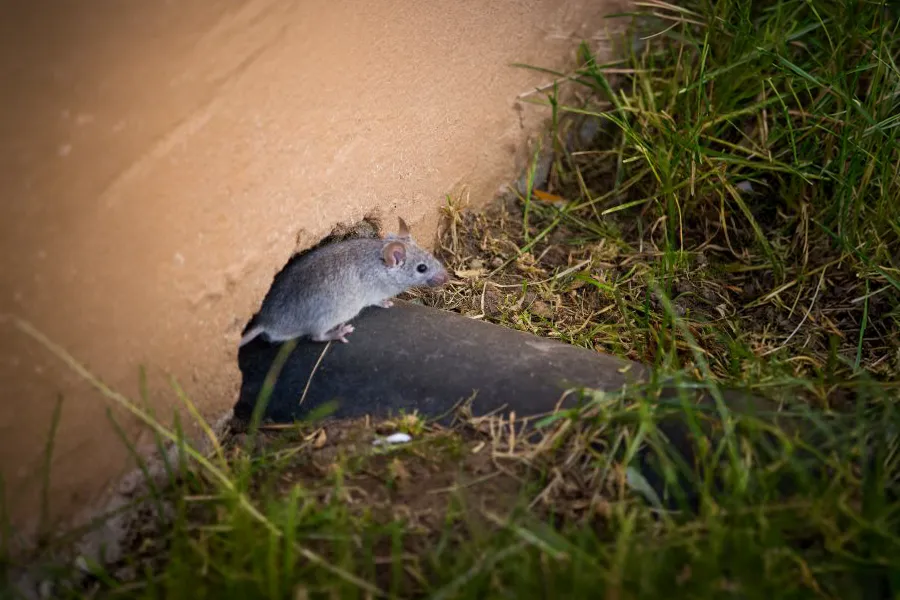
Finding evidence of rodent activity in your property can be a serious concern that should not be ignored. Rats and mice are primarily nocturnal, which makes spotting them directly more difficult. Since these pests share many similar traits, accurately identifying the species is essential for choosing the right treatment method. Early action can help prevent a small rodent issue from becoming a larger infestation.
Similar Characteristics of Mice and Rats
Rats and mice have several similar characteristics that can make identifying them challenging. Their behaviors, nesting habits, and activity patterns often overlap, making it easy to confuse one for the other. Some of their most common similarities include:
- Continuous Growth of Incisor Teeth: Both rats and mice have front teeth that continue growing throughout their lives. To keep their teeth at a manageable length, they must regularly chew on different materials, which can result in damage to wood, wiring, insulation, and household items.
- Nocturnal Activity: Rats and mice are mainly active during nighttime hours, making them harder to spot during the day. Their movement after dark may create noises such as scratching, squeaking, or scurrying, which can be signs of rodent activity.
- Seeking Shelter in Cold Weather: As temperatures fall, rodents often look for warm and protected areas to survive. This can lead them indoors, where they may hide and build nests in places like attics, garages, basements, and wall spaces.
Identifying the Differences Between Rats and Mice
Although rats and mice share many similarities, they have several characteristics that make them different. Understanding these variations can help with proper identification. The most important differences are:
- Size: Rats are noticeably larger than mice, with adult bodies typically measuring around 6 to 9 inches long, excluding the tail. Mice are much smaller, usually reaching only about 2 to 5 inches in body length.
- Body Proportions: Mice have a smaller, more delicate appearance with larger ears and longer, thinner tails compared to their body size. Rats have a heavier build with smaller ears, thicker tails, and larger feet.
- Dietary Habits: Mice typically feed on foods like grains, seeds, and fruits. Rats are more adaptable eaters and consume a broader range of foods, including grains, fruits, meat, and discarded food sources.
- Droppings: Rodent droppings can help identify the species. Rat droppings are larger and more capsule-shaped, usually measuring about 10 to 20 mm in length. Mouse droppings are much smaller, often around 1 to 2 mm long and more pellet-like in appearance.
- Reproduction Rate: Mice reproduce at a faster rate, with some producing up to 10 litters each year and as many as 14 young per litter. Rats typically reproduce less often, averaging about 3 to 6 litters annually with up to 10 offspring per litter.
Signs of Rodent Activity: Identifying Droppings
One of the easiest ways to identify rodent activity is by examining droppings, as rats and mice leave behind waste with noticeable differences in appearance. If droppings are discovered, careful cleanup and prompt action are important to help prevent the problem from getting worse.
Mouse Droppings are much smaller than rat droppings, usually measuring only about 1–2 mm long. They are narrow, pellet-shaped, and pointed on both ends. Because mice travel frequently while searching for food, their droppings are often spread throughout different areas rather than found in one location.
Rat Droppings are larger and more noticeable, typically ranging from 10–20 mm in length. They are commonly found in groups and have a thicker, spindle-like appearance with rounded or blunt ends, making them easier to distinguish from other pest droppings.
Professional Rodent Control for Rats and Mice
Rats and mice can create serious problems for homes and businesses by damaging property, contaminating food, and spreading potential health risks. Their constant need to chew and build nests can lead to costly repairs and create unsafe conditions if left untreated.
When signs of rodent activity appear, taking action quickly is important. The professionals at Bug Out have [years] years of experience serving North Carolina with reliable and professional rodent control solutions designed to help eliminate rat and mouse problems.


