
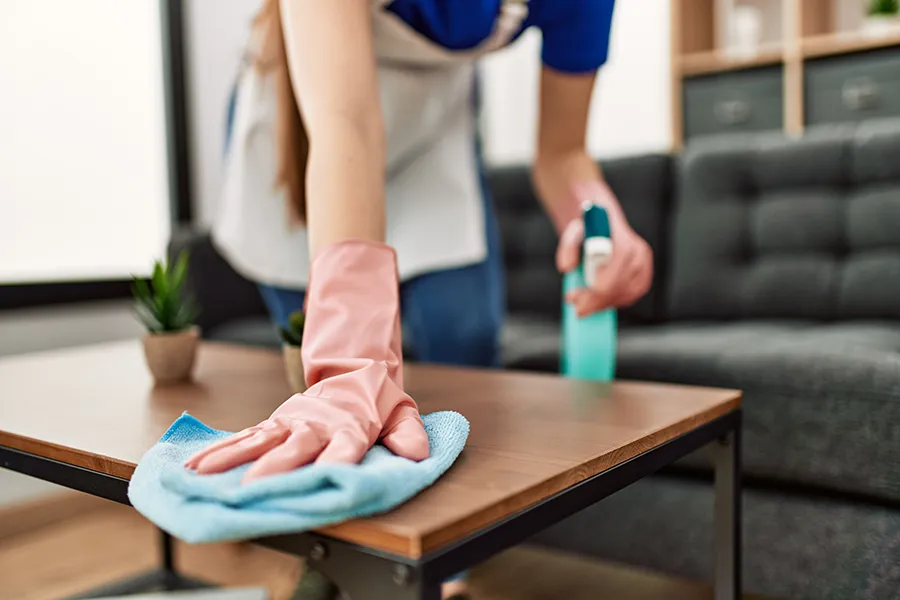
Cleaning up after a rodent infestation requires more than simply removing visible waste or debris. Proper precautions should be followed because both live and dead rodents may carry contaminants that can create health concerns. Entering affected areas without the right protection may increase the chance of exposure.
Rodent-affected spaces can contain droppings, urine, nesting materials, and other debris that may contain bacteria or harmful microorganisms. When these materials are disturbed, contaminants can become spread throughout the area, making careful cleanup practices important.
At Bug Out, we provide professional rodent cleanup services in North Carolina to help restore areas impacted by infestations. Our solutions are designed to address contamination concerns and help return your property to a cleaner condition.
How to Properly Clean Up Rodent Droppings
Removing mouse or rat droppings may seem like a quick cleaning task, but using traditional methods like sweeping or vacuuming can spread contaminated material. Disturbing rodent waste may release particles into the air and increase the chance of exposure. Using the proper cleanup approach is important when handling affected areas.
A thorough rodent cleanup requires the right preparation, protective equipment, and careful handling of contaminated materials. Following recommended cleanup steps can help restore the area and reduce concerns after an infestation. The process below explains how to properly address rodent waste:
- Protect Yourself: Before starting the cleanup, make sure you have the proper protective gear in place. Wear gloves, such as rubber or latex options, and use a face covering to help reduce contact with potentially contaminated materials.
- Create a Disinfectant: Mix a disinfecting solution using one part bleach and ten parts water. This solution can help eliminate bacteria and other microorganisms that may be present in areas affected by rodent activity.
- Apply the Solution: Carefully apply the disinfectant mixture to surfaces where rodent droppings or urine are present. Allow the solution to sit for several minutes so it has enough time to help sanitize the affected area.
- Cleanup Process: Once the disinfectant has had time to work, use paper towels or disposable materials to remove the treated waste and leftover debris. Place used cleanup supplies into a sealed bag before disposal.
- Disinfect Further: After removing visible contamination, disinfect nearby surfaces that may have been exposed to rodent activity. Cleaning the surrounding areas can help address any remaining residue or contaminants.
- Wash Up: Finish the cleanup process by washing your hands thoroughly with soap and water. Proper handwashing helps remove any remaining particles and supports good hygiene after handling rodent-related materials.
Proper Cleanup Methods for Dead Rodents and Nests
Handling dead rodents and nesting materials requires attention to proper cleanup practices. Even areas that appear clean may contain bacteria or other contaminants, so using protective gear like gloves and a face covering is recommended before touching affected materials.
After treating the area with disinfectant, remove the rodent remains and any cleanup supplies, then place everything into a securely closed bag for disposal. Thorough handwashing afterward is an important final step in reducing potential exposure.
Trusted Rodent Cleanup Experts Serving North Carolina
A rodent infestation involves more than just removing the pests themselves. Cleaning the areas they have affected can be a difficult part of the process, especially if you are unsure how to handle contaminated materials. When cleanup feels overwhelming, professional rodent specialists can provide the support needed to address the situation properly.
Our experienced team offers complete rodent cleanup assistance, from providing helpful instructions to managing the entire process. We help remove rodents, address affected areas, and restore your property after an infestation.


