

Key Takeaways
- Natural repellents like peppermint and essential oils work primarily by using strong scents to mask food sources and attractants.
- Strategic landscaping is key, as common flowers like sunflowers and lilacs actively draw stinging insects toward your home.
- Strict food hygiene, such as sealing trash and covering sugary drinks, is the most effective way to prevent wasps from crashing outdoor gatherings.
- While DIY methods like “fake nests” and oil sprays offer a chemical-free defense, they are often insufficient for managing large or established infestations.
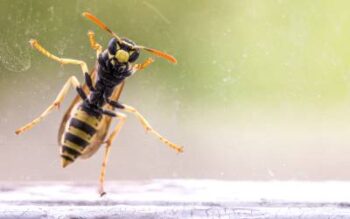 It’s summer in the South. The days are sunny and hot. Flowers and trees are in full bloom. Picnics and barbecues are on the calendar. What you may not know is that all of these are as attractive to wasps and bees as they are to humans. There’s one question that keeps going through your mind: Can you repel bees and wasps naturally?
Yes and no – the answer is nuanced.
There are natural ways to repel stinging insects, but in severe cases, these methods might not be able to meet the moment. These natural bee and wasp prevention methods are best used to solve minor infestations.
Are There Plants That Repel Bees and Wasps?
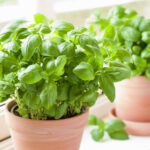
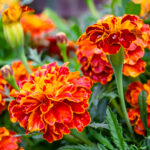
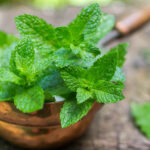
Yes, it’s scientifically proven that bees and wasps have a strong dislike for the following plants. Typically, the plants with strong herb or mint smells have the most impact.
As long as you don’t mind their strong scents, consider adding some of these near the outdoor spaces you use regularly at your home to reduce the bee, wasp, hornet, and yellowjacket population around your outdoor spaces:
Note: These plants must be planted in large quantities to have a strong effect. You can also crush up some of the leaves or flowers to activate the smell. These plants are only effective when they mask the smell of whatever else is attracting them to your yard.
- Basil
- Citronella
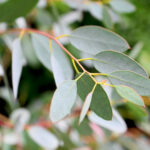
- Eucalyptus
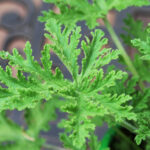
- Geraniums
- Marigolds
- Peppermint
- Spearmint
- Thyme
- Wormwood
Are There Plants That Attract Bees and Wasps?
Yes, there are plants that have the exact opposite effect as those previously mentioned. The following plants will actually attract bees and wasps to your backyard. Some people plant these plants intentionally to attract bees to act as pollinators for their garden.
If your property has a larger-than-expected bee and wasp presence and you’re not sure why, you might want to check your yard to see if you have any of these planted:
- Black-eyed Susan
- Honeysuckle
- Lantana
- Lilacs
- Perennial Yarrow
- Poppies
- Pale Purple Coneflower
- Sweet Fennel
- Wisteria
- Queen Anne’s Lace
- Sedum
- Snapdragon
- Sunflowers
If any of these flowers are growing near your home, especially if they’re near a deck, porch, patio or other outdoor space, consider replanting them further away if you can. Additionally, knowing more about the preferred nesting sites can help you plan your garden better to avoid attracting wasps. For more detailed information on typical nesting spots and how to manage them, check out our guide on where do wasps nest.
More Ways to Repel Bees and Wasps Naturally
Be Careful About the Food They Have Access To
Have you ever seen a swarm of wasps buzzing around a dumpster? They do it because there’s food inside. Many types of wasps love human food and they want to crash our picnics, barbecues and outdoor meals in the summer.
Limiting their access to human food is one of the easiest ways to repel them naturally. To reduce the chance of uninvited stinging guests crashing your cookout, follow these tips:
- As much as possible, don’t leave food out. Clean up as soon as you’re done eating.
- When you throw away food or food-related trash, make sure the trash can lid is sealed.
- Wasps are attracted to sugary drinks so keep your soda or lemonade closed or covered.
Are There Foods That Repel Bees and Wasps?
Yes. As is the case with plants, there are some food items that repel stinging insects, including:
- Bay Leaves
- Cinnamon
- Cloves
- Cayenne Pepper
- Garlic
- Sliced Cucumber
- Vinegar
You can use these grocery items as all-natural bee and wasp repellents. Slice up some garlic or cucumber and leave it on a plate on your patio. Pour some vinegar in a jug and place it near a hammock. Place a line of some cinnamon sticks along your deck railing, etc.
Can You Use Essential Oils to Repel Bees & Wasps?
Yes. Do you notice a trend? These all-natural ways to attract or repel bees and wasps all rely on strong smells. Essential oils fall into the same category.
Another all-natural way to keep stinging insects away is by making a bee repellent spray using essential oils. To make an all-natural pest repellent spray, simply combine one or more of these essential oils with water. Use a ratio of two drops of essential oil per one ounce of water.
Please note: While spraying bees and wasps with an essential oil solution can help repel them, beware that it may also upset them. Before you start spraying, wear long sleeves, close-toed shoes, and have your exit path in mind.
- Citronella oil
- Clove oil
- Eucalyptus oil
- Geranium oil
- Peppermint oil
- Rosemary oil
Repel Wasps with the “Fake Nest” Trick
Wasps are highly territorial, so sometimes visual deterrents work, too. Here’s how you can create a fake nest that will trick wasps into thinking the area is already colonized by another group of wasps.
While it doesn’t work everytime, it’s easy and worth a try.
- Hang a crumpled brown paper bag from your roofline in a prominent area.
- That’s it – wasps will see it and believe that a rival colony has arrived first.
Your Local Bee and Wasp Removal Experts
As you can see, there are several DIY ways to repel wasps and bees naturally. However, these approaches may not be enough. If you need to hire a company for bee & wasp removal to get rid of stinging insects on your property, look to Bug Out. Our Integrated Pest Management approach helps get rid of pests while still being eco-friendly. Contact us today for your free estimate!
Back to Wasp and Hornet Control


