
When your business handles food, nothing matters more than keeping it safe. Commercial pest control is a huge part of keeping food safe, which includes protecting your products and your company’s good name.
Sure, having a food safety plan is great, but it only works if your team knows how to use it. When you train your staff on both food safety basics and pest prevention, you give them the tools they need to protect your business. This helps prevent lost products, property damage, and the serious problems that come with contaminated food.
So let’s look at how training your team helps protect your food business from pests.
Why Food Safety Protects Your Business
If your business touches food in any way (cooking it, serving it, or selling it), keeping that food safe is critical. Whether you run a restaurant, grocery store, or food processing plant, the goal is simple: keep food clean and safe for customers.
Think about this: just one food poisoning outbreak at a quick-service restaurant can cost millions and hurt hundreds of people. Food safety problems don’t happen overnight, they build up slowly. That’s why you need to stay ahead of the game. Your best defense? Your employees who work with food every day.
How Pests Threaten Food Businesses
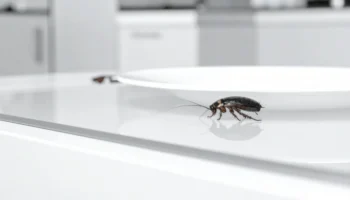
Pests like rodents, roaches, pantry pests, flies, and birds all want the same thing: food. But these unwanted visitors bring dangerous bacteria and germs that can contaminate your products. When contaminated food reaches customers, people get sick, and your business suffers.
A solid pest prevention plan keeps these problems away. Simple steps like sealing entry points, keeping things clean, and storing food properly stop pests before they start. When you invest time in prevention now, you protect your business’s future.
Your Team Is Key to Food Safety
You can’t watch everything in your business all the time. That’s why trained employees make all the difference. Most states require food handlers to get certified, including restaurant staff, deli workers, and food processing employees.
Here’s how your team helps keep food safe:
- Clean food areas regularly.
- Track cleaning tasks and deliveries.
- Store foods like meat and produce the right way.
- Watch for pest signs like droppings or chewed packages.
- Tell managers about pest problems right away.
- Take out trash properly.
Good food safety starts at the top. Managers need to create a workplace where employees understand what to do and feel comfortable speaking up about problems. When leaders show they care about food safety and pest control, the whole team follows.
What to Include in Your Training Program
Your training should fit your specific business needs. Beyond basic food safety certificates, give your team practical knowledge for their daily work. They should know where cleaning supplies are, how to store different foods, and who to tell if they spot pests.
For Restaurants and Bars:
- Food prep rules
- Storage guidelines
- When and how to clean surfaces, equipment, and tools
- Daily, weekly, and monthly cleaning lists
- Trash disposal schedules
- Common pests and warning signs
For Grocery and Convenience Stores:
- Checking deliveries for pests
- Organizing products in storage and on shelves
- Handling different food types properly
- Trash management
- Pest identification and prevention
For Food Processing:
- Inspecting incoming shipments
- Safe product handling and shipping
- Spotting contamination
- Equipment cleaning schedules
- Proper work clothing like hairnets
- Understanding conditions that attract pests
Remember: health inspectors can visit anytime. Make sure your team knows this and follows procedures every day.
How to Set Up Your Training System
Building a training program doesn’t have to be hard. Many businesses use online training so workers can learn at home on their own schedule. For food safety basics, programs like ServSafe offer good options.
For pest control training, working with professionals like Bug Out makes sense. We can help create training that fits your exact business needs and teach your staff what they need to know about pest prevention.
Keep Improving Your Program With Bug Out
Having good procedures is just the start. You need to check that employees follow them and stay open to new ideas. Your staff works with food every day, and they often have great suggestions for making things work better.
Good food safety means having a well-trained team that uses that plan. When you focus on preventing pests and acting fast when problems appear, you keep food safety front and center. This sets your business up to succeed for years to come.
Ready to protect your business from pests? Contact Bug Out today for a free commercial pest control quote or to schedule service.