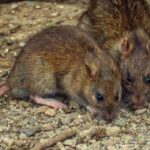

Rodents are a serious concern for hospitals and medical centers in North Carolina. They carry bacteria that can threaten patient health and contaminate critical areas. In addition to the health risks, rodents can chew through essential wiring and medical supplies, causing costly damage and interruptions in care. Their presence in sensitive environments is never just a minor nuisance.
At Bug Out, we’ve put together this practical guide to help safeguard your healthcare facility. Our pest control experts can identify vulnerabilities, eliminate infestations, and implement long-term prevention strategies. Rely on us to keep your healthcare buildings secure, regulatory-compliant, and rodent-free.
Common Types of Rodents in Medical Buildings
Hospitals and medical centers in North Carolina often attract rodents looking for food, warmth, and places to hide. Each rodent species carries unique risks, from contaminating surfaces to damaging critical equipment. Here are some of the most common rodents seen in healthcare facilities:
House Mouse
The house mouse is the most frequently encountered rodent in hospitals and medical facilities. They are gray or brown and measure only about three inches in length. Despite their small size, they are incredibly persistent and can slip through tiny openings.
These mice can fit through gaps as small as a dime. They breed rapidly, with one pair capable of producing dozens of offspring in a year. Their droppings and urine can contaminate food, medical supplies, and storage areas, creating serious health risks.
Deer Mouse
Deer mice are small rodents with large, bright eyes and oversized ears, giving them a naturally curious appearance. Their fur is brown on top and white on the belly and feet. Because of their size and coloring, they’re often mistaken for harmless field mice.
These mice usually live in rural areas but will move indoors when the weather turns cold. They carry serious health risks, as their droppings can spread hantavirus. In healthcare facilities, they’re commonly found in basements, attics, and storage rooms where they seek warmth and shelter.
Meadow Vole
Meadow voles, also called field mice, are smaller and stockier than house mice. They have short tails and dark brown or gray fur. These rodents are most often seen around the outside of buildings rather than indoors.
While they typically stay outdoors, meadow voles can enter buildings through small gaps near the ground. They cause damage to lawns, landscaping, and foundation insulation. Surface tunnels in the yard are often a clear sign of their presence.
Norway Rat
Norway rats are the larger of the two common rat species. They have brown or gray fur and can reach lengths of up to 10 inches, excluding the tail. Their strong, heavy bodies make them excellent swimmers and burrowers.
These rats are often found in basements, crawl spaces, and sewers. They can enter buildings through broken pipes or floor drains. Norway rats cause significant damage by gnawing on wood, concrete, and metal, making them a serious threat to property.
Roof Rat
Roof rats are smaller and more nimble than Norway rats. They have black or dark brown fur and long, thin tails. Their slender bodies allow them to move effortlessly along beams, rafters, and ledges.
These rats are expert climbers and usually enter buildings from above. They are often found in attics, ceilings, or upper floors. Roof rats frequently use tree branches, vines, or even power lines to reach structures.
Rodent Prevention Healthcare Facility Checklist
Keeping healthcare facilities free of rodents demands ongoing vigilance and proactive steps. Regular monitoring and a structured routine help safeguard both patients and property. The checklist below outlines daily, weekly, monthly, biannual, and yearly tasks to help maintain a rodent-free environment.
Every Day
- Close Entry Points: Keep doors closed whenever possible, particularly around delivery areas. Open doors make it easy for rodents to slip inside without being noticed.
- Clean Up Quickly: Wipe up crumbs, spills, and food debris immediately. Pay special attention to kitchens and beneath vending machines where food can accumulate.
- Repair Leaks Promptly: Address any water leaks as soon as they are discovered. Rodents are attracted to moisture, so fixing leaks removes a key lure.
- Monitor for Signs: Look for droppings, gnaw marks, or dead rodents. Early detection helps prevent infestations from spreading further.
- Store Food Properly: Store all food securely at night, including snacks and meal carts. Even tiny crumbs left out overnight can attract rodents.
- Secure Floor Drains: Make sure floor drains have tight-fitting covers. This prevents rodents from entering through plumbing or underground pipes.
- Seal and Remove Trash: Dispose of garbage in sealed containers outside the building. Taking trash out before leaving reduces food odors that can attract pests.
Every Week
- Look for Signs of Rodent Activity: Check for droppings, gnaw marks, holes, or greasy smudge lines along walls and baseboards. These are important clues that rodents may be present.
- Keep Items Off the Floor: Make sure storage rooms are organized so nothing rests directly on the floor. This reduces hiding spots and makes it easier to spot rodent activity.
- Focus on Kitchens and Deliveries: Pay close attention to kitchens, food prep areas, and delivery zones. Rodents are most likely to find food and entry points in these spaces.
Every Month
- Regular Inspections: Schedule routine pest control inspections to catch early signs of activity and prevent infestations from spreading.
- Inspect Hidden Spaces: Check closets, maintenance rooms, and cleaning supply areas where rodents might hide or build nests.
- Clean Around Outside Trash Containers: Keep the area around outdoor dumpsters and trash bins tidy to eliminate food odors and debris that attract pests.
- Check Trash Area Walls: Examine walls near trash areas for cracks or holes that rodents could use to enter the building.
- Look Above Ceiling Tiles: Lift ceiling tiles in kitchens or food prep areas to check for signs of rodents or nesting material.
- Inspect Door Sweeps: Make sure all exterior door sweeps touch the floor to prevent rodents from squeezing underneath.
- Examine Break and Changing Rooms: Inspect employee areas for crumbs, spills, or clutter that could lure rodents.
- Inspect Pest Control Boxes: Confirm that rodent bait or monitoring boxes near dumpsters are intact and working properly.
- Search for Rodent Burrows: Walk the property perimeter to look for holes in the ground or along walls, which may indicate rodent activity.
Twice a Year
- Inspect the Roof for Gaps and Damage: Check the roof for openings, loose shingles, or damaged areas that rodents could use to enter the building.
- Check for Exterior Wall Cracks: Examine exterior walls for cracks, gaps, or holes that may serve as entry points for rodents.
- Seal Holes Properly: Fill openings with durable, chew-resistant materials like steel wool and caulk (avoid foam) to block rodents from getting inside.
- Trim Nearby Tree Branches: Cut back tree limbs and vegetation that touch or hang near the building to prevent rodents from climbing onto the roof.
- Secure Roof Vents: Make sure all roof vents have sturdy screens to keep rodents out while maintaining proper airflow.
Once a Year
- Check Your Plan: Go over your existing pest control plan and confirm that it continues to meet the needs of your building.
Why Are Rodents Harmful to Health and Property?
A rodent’s front teeth grow continuously, forcing it to chew on whatever is available to keep them from overgrowing. This relentless gnawing is a major reason they cause so much structural and material damage.
Rats and mice also pose health risks. They can spread bacteria and viruses that lead to foodborne illnesses, hantavirus, and infections from bites. Their droppings and urine contaminate food and surfaces, so acting promptly is key to reducing health hazards.
Bug Out: Experts You Can Trust!
Bug Out is at the forefront of pest protection for hospitals, restaurants, hotels, and retail spaces. We create tailored plans that address the specific needs of each business. Our skilled experts and scientists develop flexible programs designed to deliver effective results. In North Carolina, we help businesses remain safe, clean, and free of pests.
We also specialize in exclusion services, sealing the entry points pests use to access buildings. By taking these preventive steps, we lower the risk of infestations before they occur. Bug Out’s approach keeps your facility protected and compliant with health regulations, ensuring pests don’t stand a chance.
Get in touch with Bug Out today to arrange a complimentary inspection or to discuss your rodent concerns.