
Rats and mice are often underestimated because of their small size, but they can create serious problems once inside a building. These rodents are highly adaptable and can survive with limited resources, making them difficult to eliminate. Their presence can become dangerous when they contaminate areas, damage property, and create unhealthy conditions.
Their ability to reproduce quickly and stay concealed means infestations may continue growing before homeowners realize there is an issue.
Rodent Health Risks and Property Damage
Seeing signs of rodents around your home or business is never something to ignore. These pests can multiply quickly and turn a small problem into a major infestation if action is delayed. The following are some of the biggest threats associated with rodents:
- Health Risks: Rats and mice can carry various diseases that may affect humans, creating potential health concerns when they enter a property. Illnesses such as rat-bite fever, salmonellosis, and hantavirus can spread through direct contact with rodents or through exposure to contaminated surfaces, food, droppings, urine, or saliva.
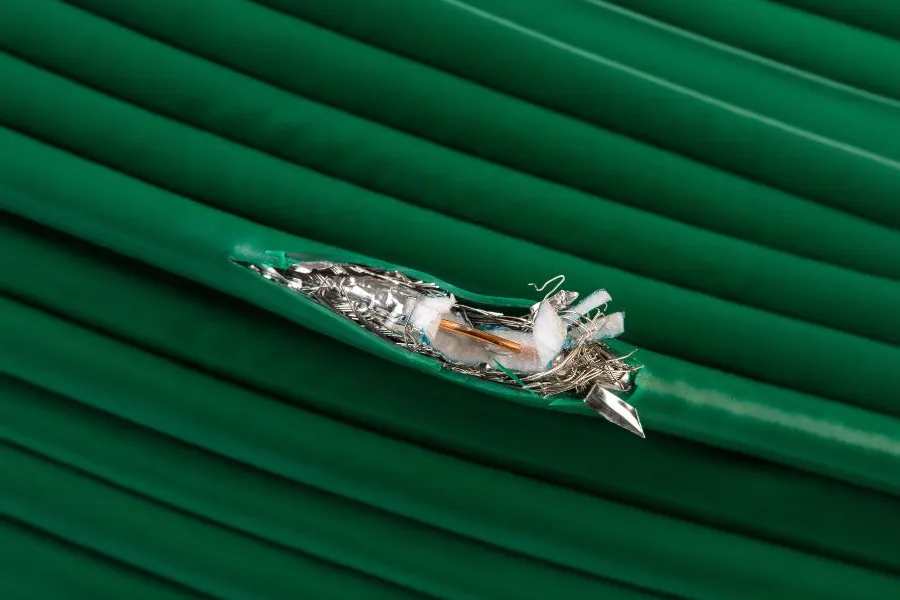
- Property Damage: Because their teeth continue to grow throughout their lives, rats and mice must constantly chew to keep them worn down. This behavior can damage materials such as wiring, insulation, and wooden structures, leading to costly repairs and increasing the possibility of electrical hazards.
- Pet Safety: Rodent activity can also create risks for household pets. Dogs and cats that interact with rodents may be exposed to parasites, bacteria, or diseases carried by these pests. Depending on the exposure, pets may experience minor symptoms or develop more serious health issues requiring veterinary attention.
Rats and mice are not usually aggressive toward people, but they can bite as a defensive response if they feel frightened, cornered, or in danger.
Understanding the Risk of Rat and Mouse Bites
While rats and mice generally avoid people, they can bite when they feel cornered, stressed, or unable to get away. Most encounters result in the rodent attempting to flee, but defensive biting may occur if the animal feels threatened. Although many bites are not severe, they still carry the potential for infection and complications.
Rodent bites can create health concerns because these pests may carry bacteria and diseases. Deer mice are among the rodents associated with hantavirus, and other species may spread illnesses such as rat-bite fever. Seeking proper treatment after a bite can help reduce the risk of infection.
Protect Your Property with Rodent Control from Bug Out
Rodent issues can create serious challenges for both residential and commercial properties, and Bug Out is here to help. Backed by [years] years of experience in the North Carolina area, our experienced rodent exterminators are equipped to identify and resolve even complex rodent infestations. Waiting too long to address the problem can allow rodents to multiply and cause additional concerns.
We provide a complete rodent control process that includes removal, prevention, and long-term solutions. By targeting the source of the infestation, we help create a safer and more protected environment for your home or business.


